Abian
Sauna · Commercial
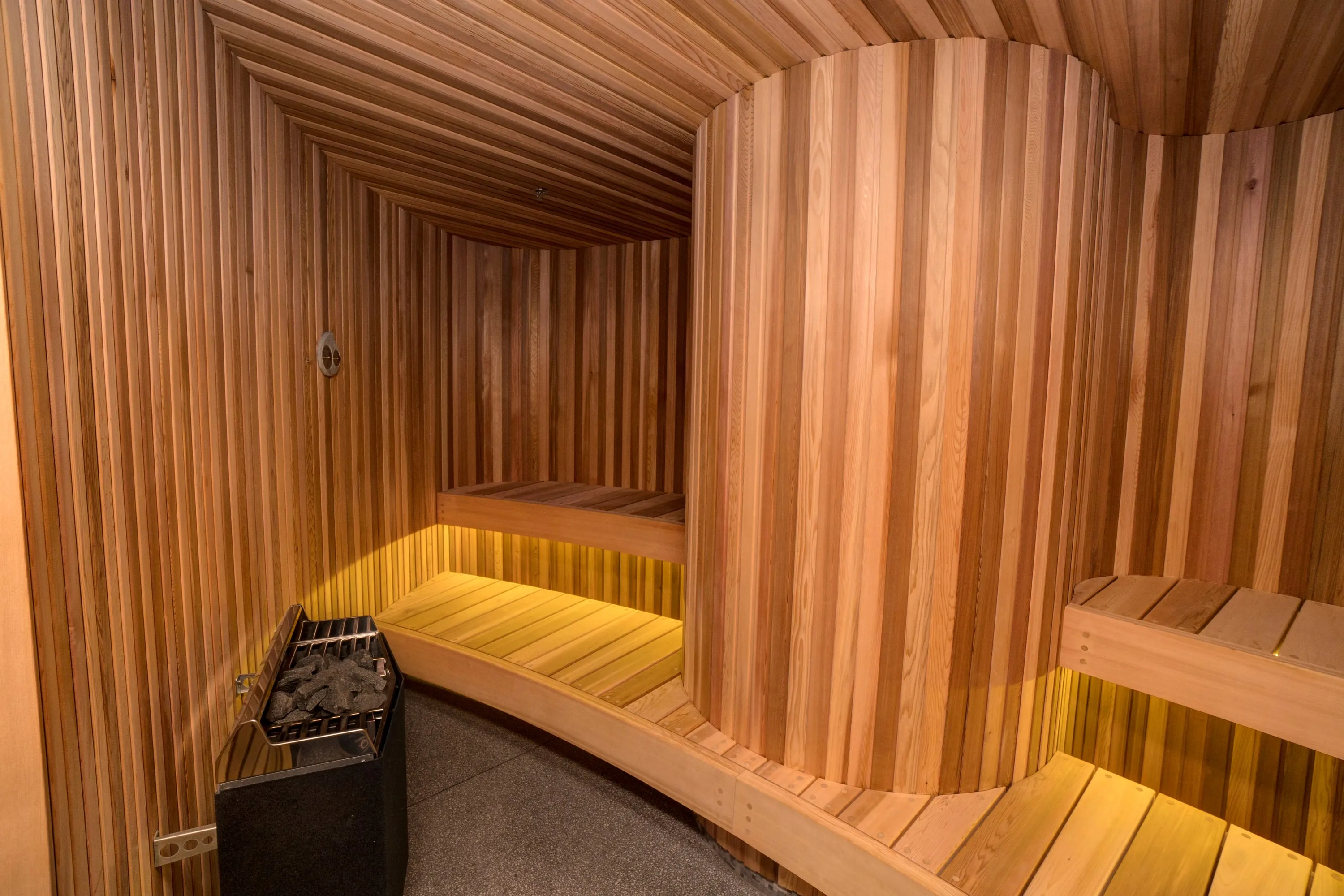
Custom saunas for homes and commercial facilities across Queensland — designed, supplied and built by one specialist team.
Our approach
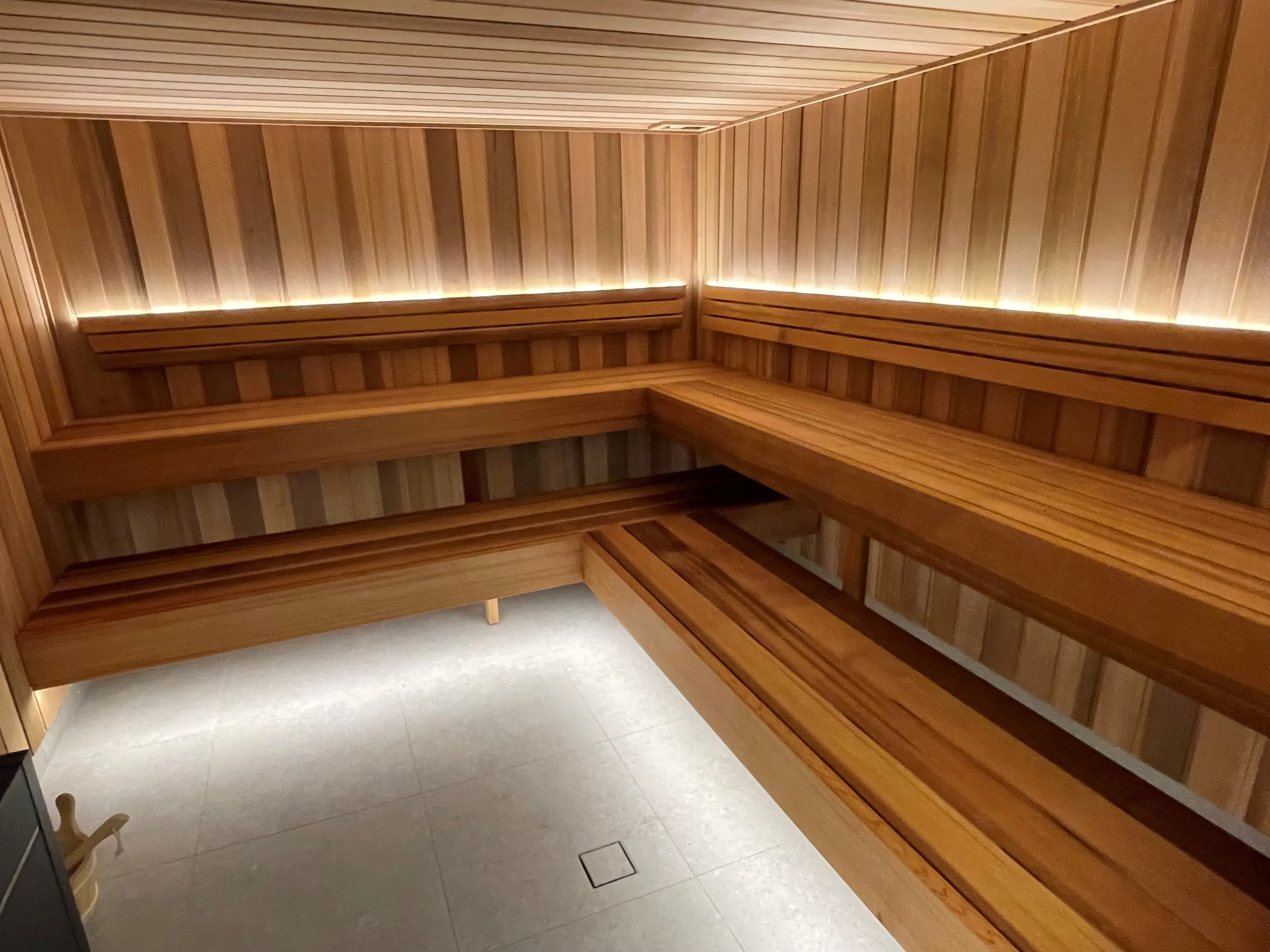
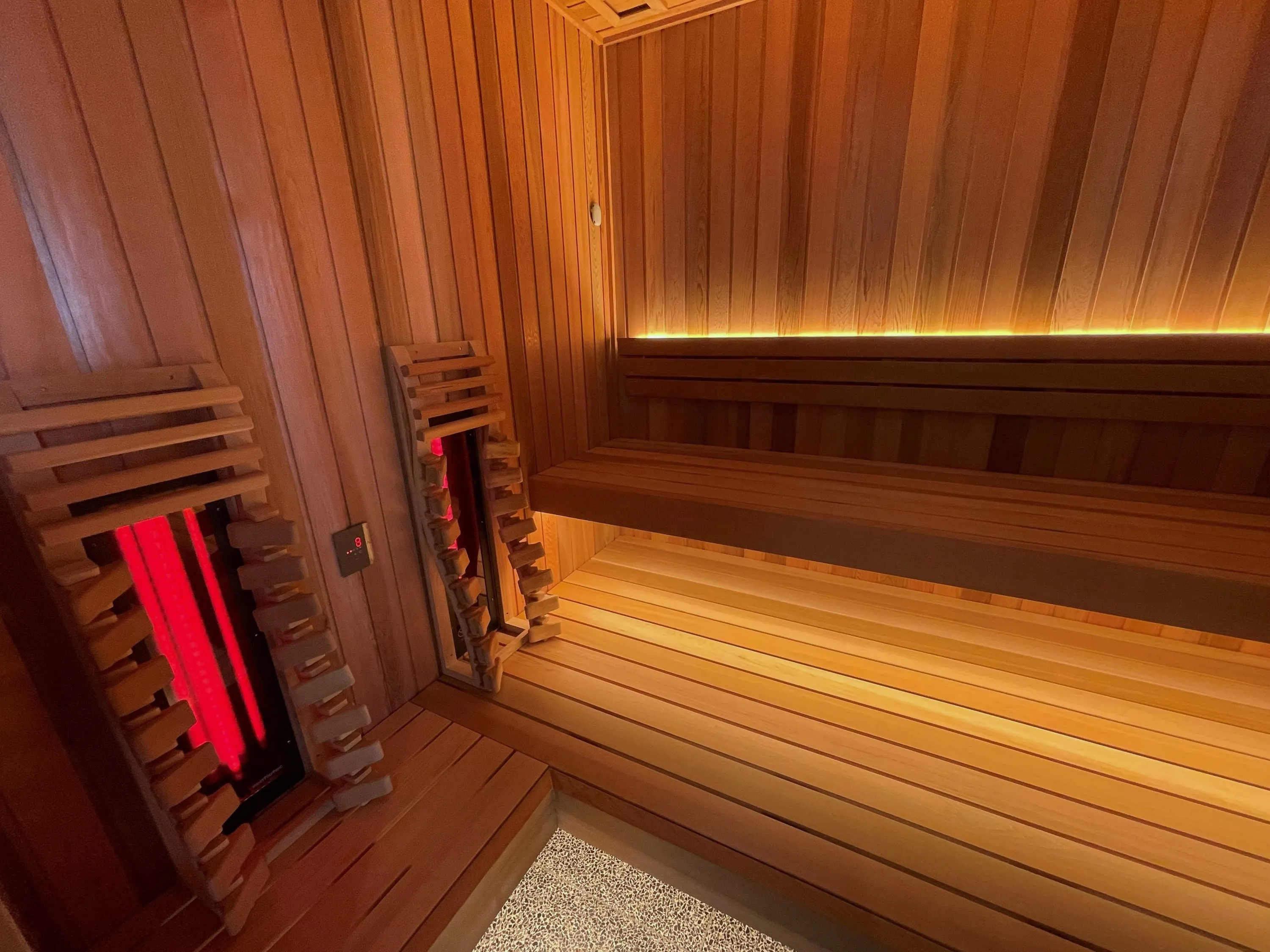
The best saunas feel effortless: the heat is even, the benches sit at the right height, the timber is comfortable to touch and the light is soft. None of that happens by accident. It comes from resolving proportion, heat, materials, air and light together, before anything is built.
We design, supply and construct saunas from the first sketch to commissioning — working with homeowners directly, or alongside architects, interior designers and builders — and support them for the long term.
The details
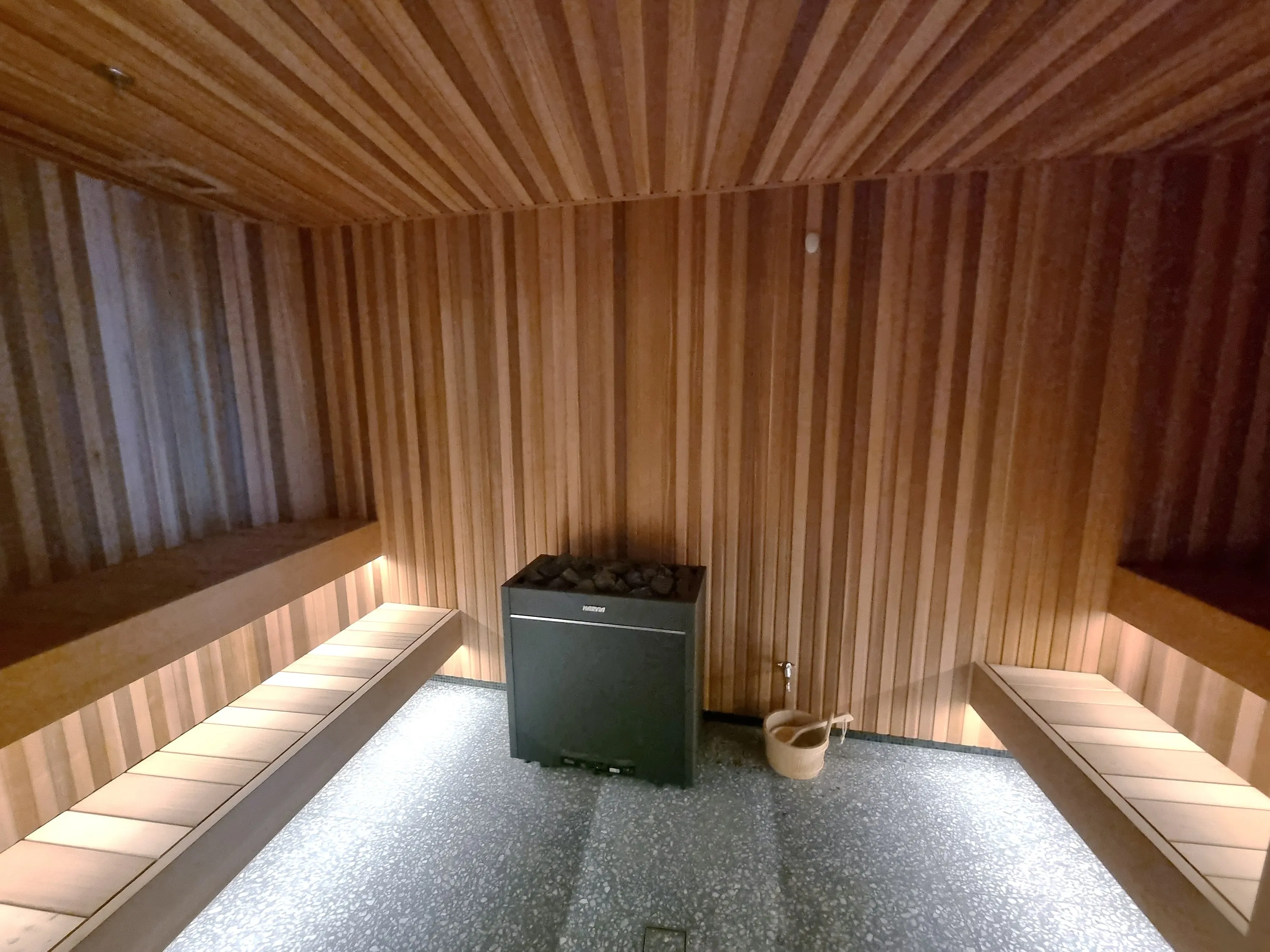
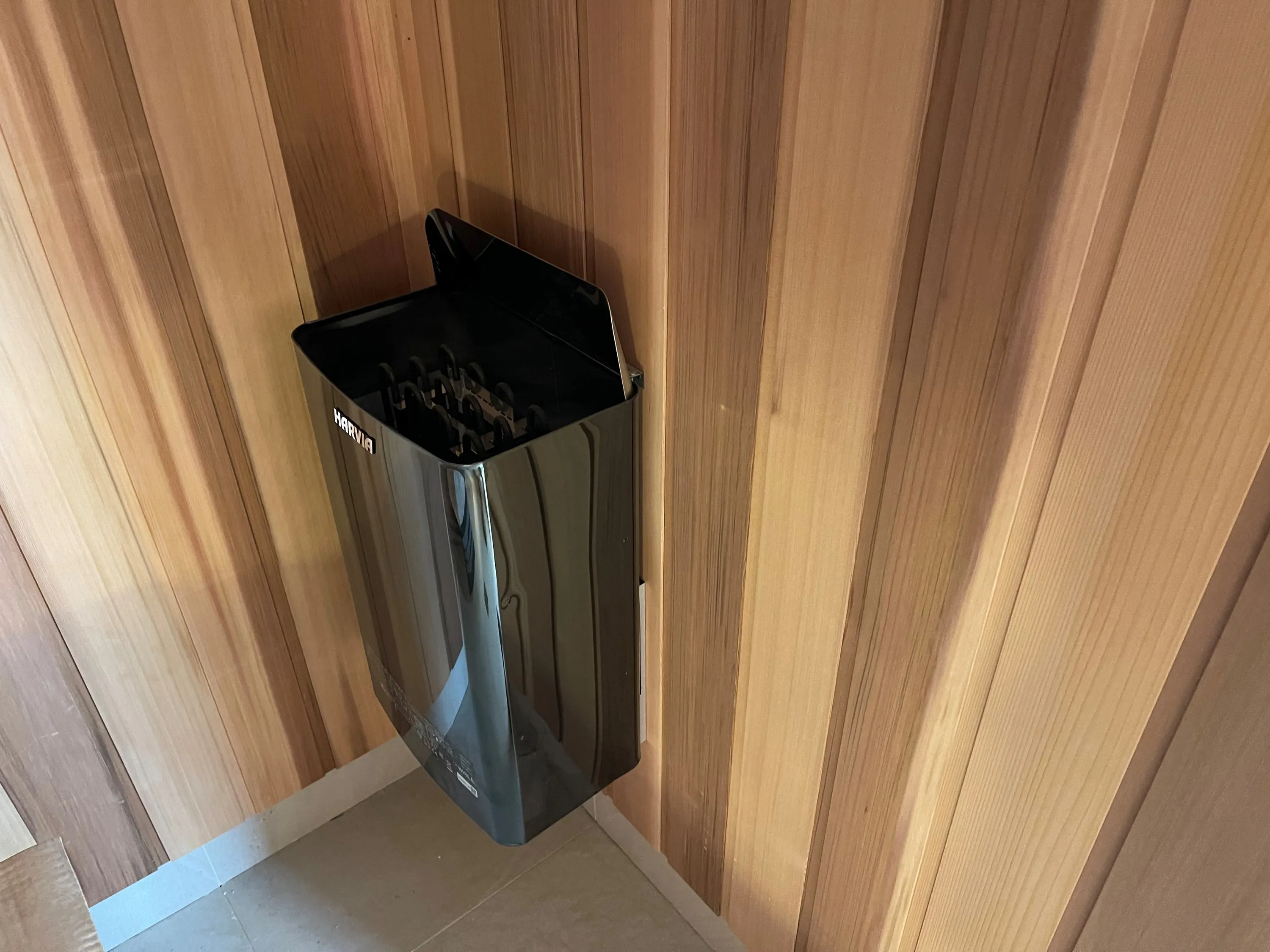
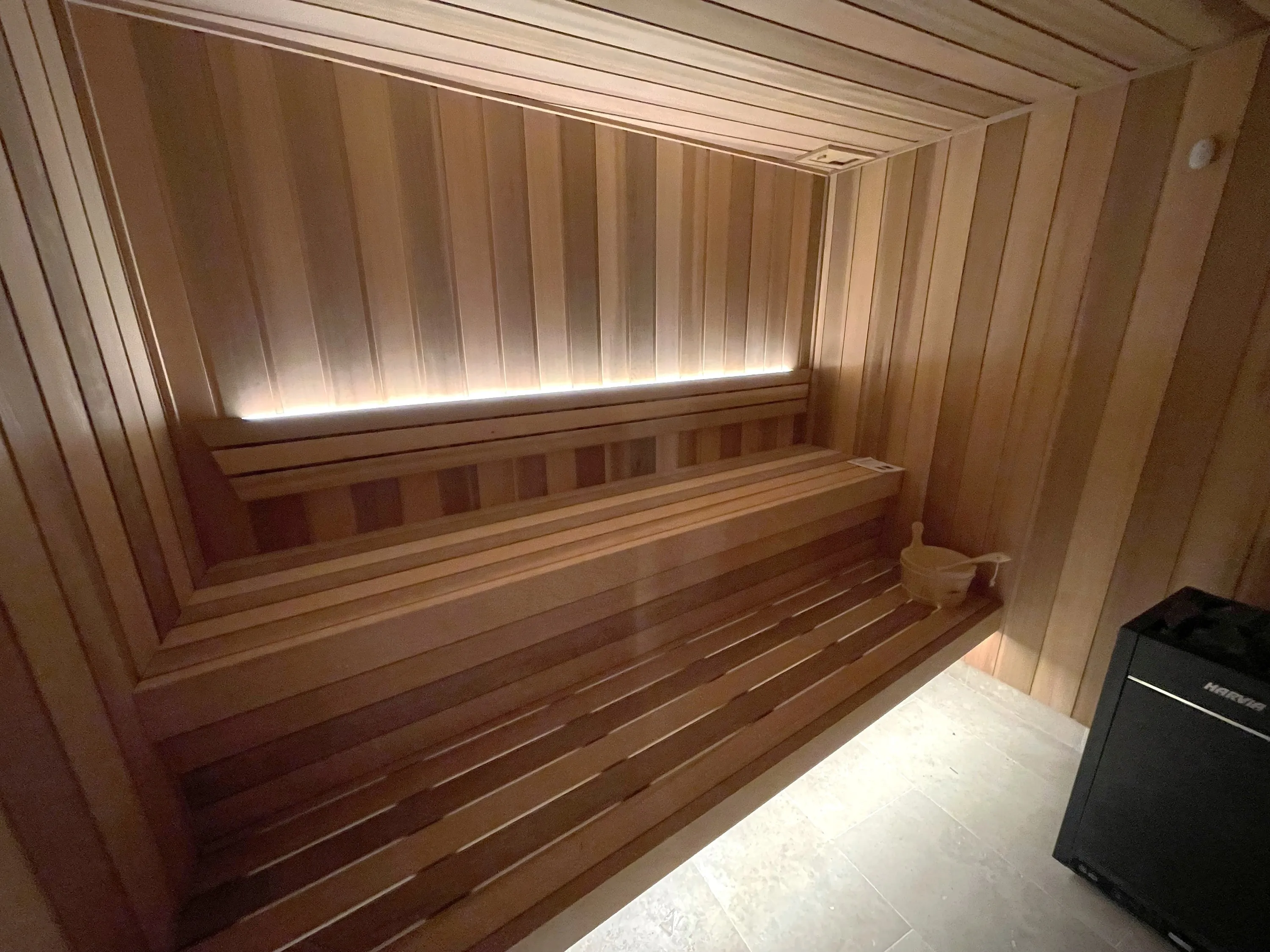
Heat rises and settles in layers, so a sauna works best with a modest ceiling and benches set high. The heater is sized to the room's volume and surfaces, the timber is chosen for comfort and stability, and fresh air is introduced where the heater manufacturer intends. Get these right and the room is comfortable from the first session.
Questions
Capacity is set by bench length rather than floor area: allow about 600 mm of bench per person, and about 1.8–2.0 m if someone wants to lie down. Ceilings are kept relatively low — commonly around 1,900–2,300 mm depending on the heater — so the benches sit in the hottest air. A comfortable two-to-three person sauna can fit into a surprisingly modest footprint.
Planning a home saunaHeater makers commonly suggest about 65–80 °C (Finnish reference practice runs higher), with low humidity that rises briefly each time water is thrown on the stones. Harvia gives about an hour for a correctly sized heater in a properly insulated room to reach bathing temperature. Glass, tile, large rooms and cold outdoor rooms take longer.
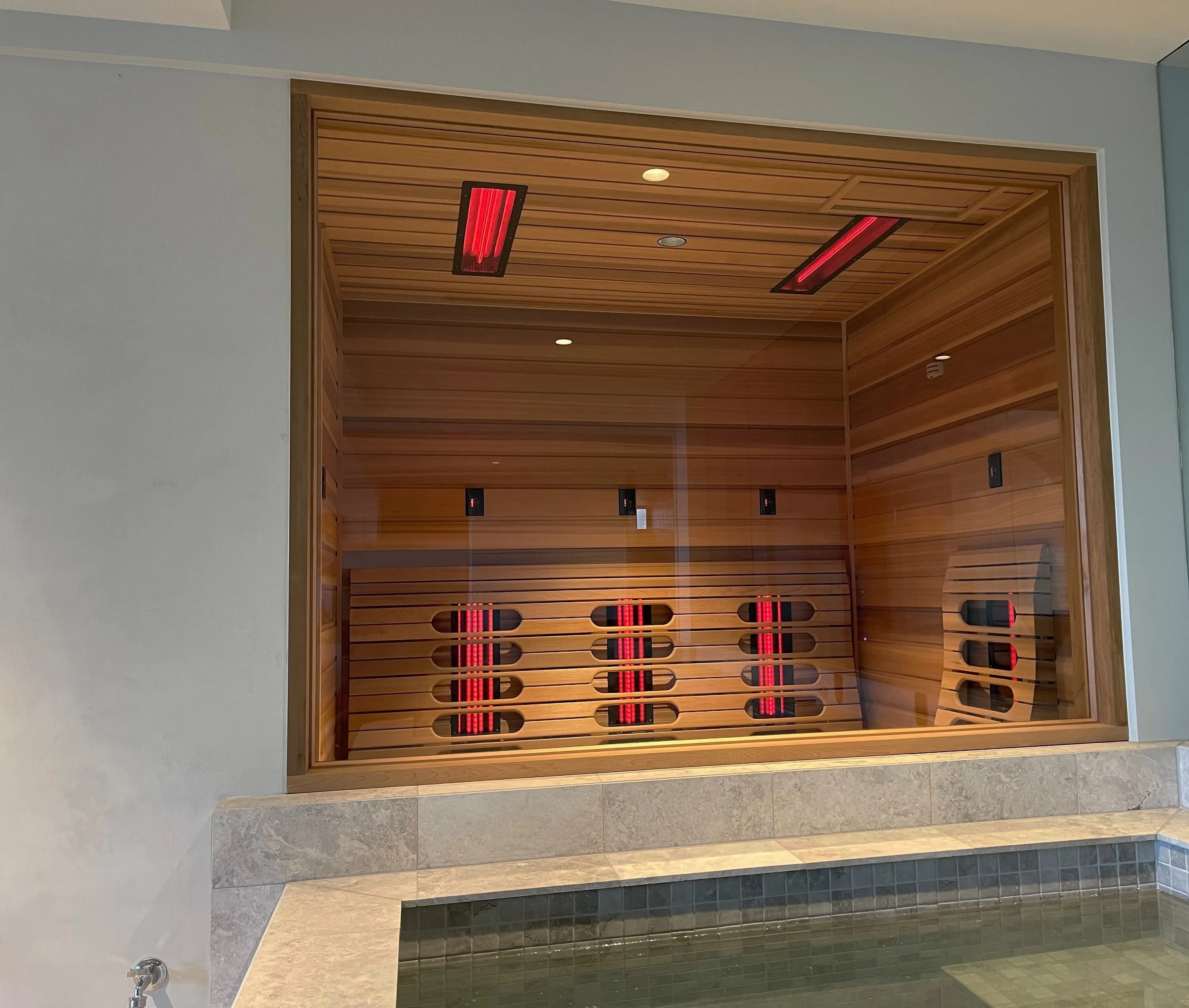
Yes. Glass fronts and glazed walls work well when they are planned for. Glass loses more heat than an insulated timber wall, so heater manufacturers add an allowance to the room volume when sizing the heater, and the door should be tempered safety glass that opens outward.
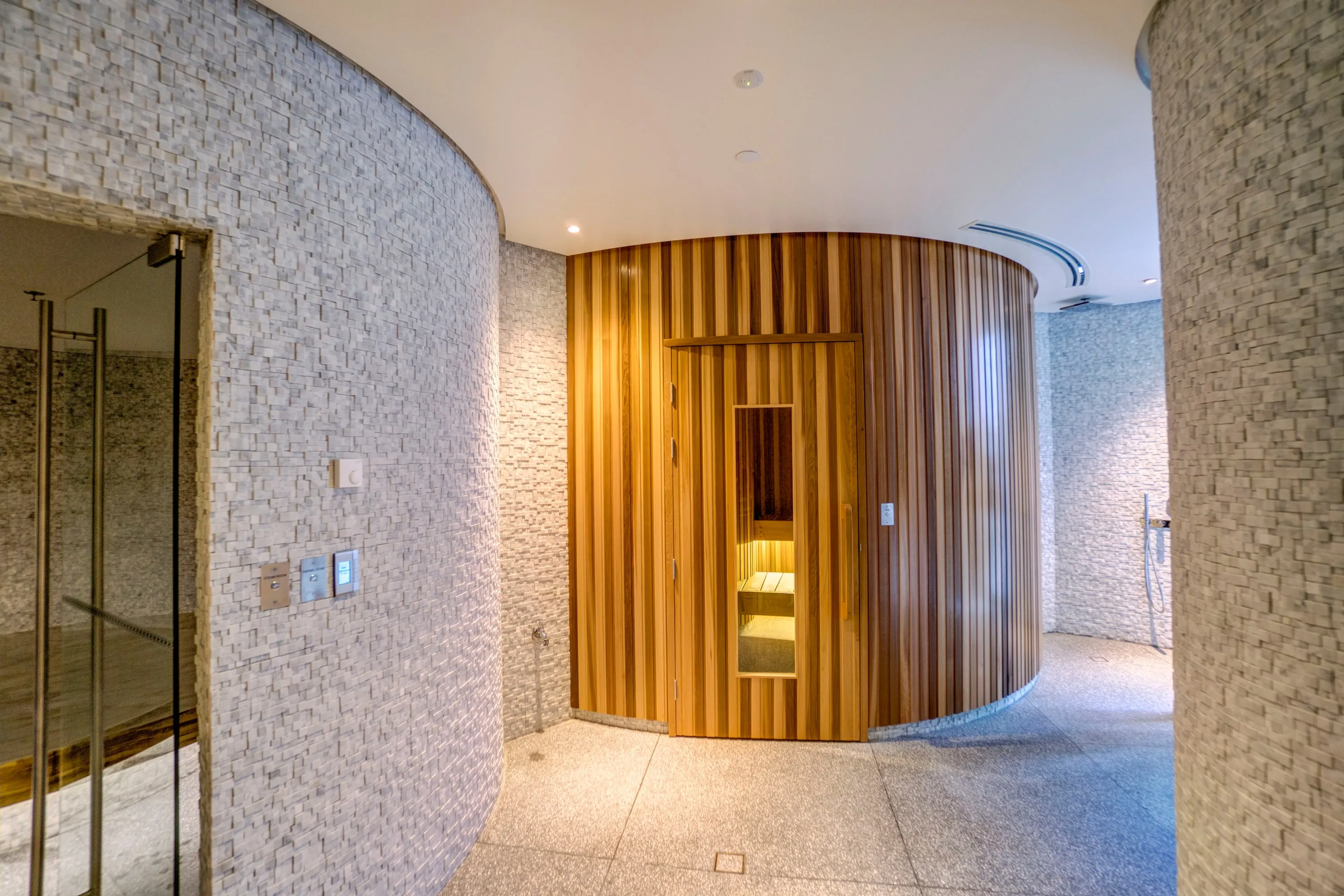
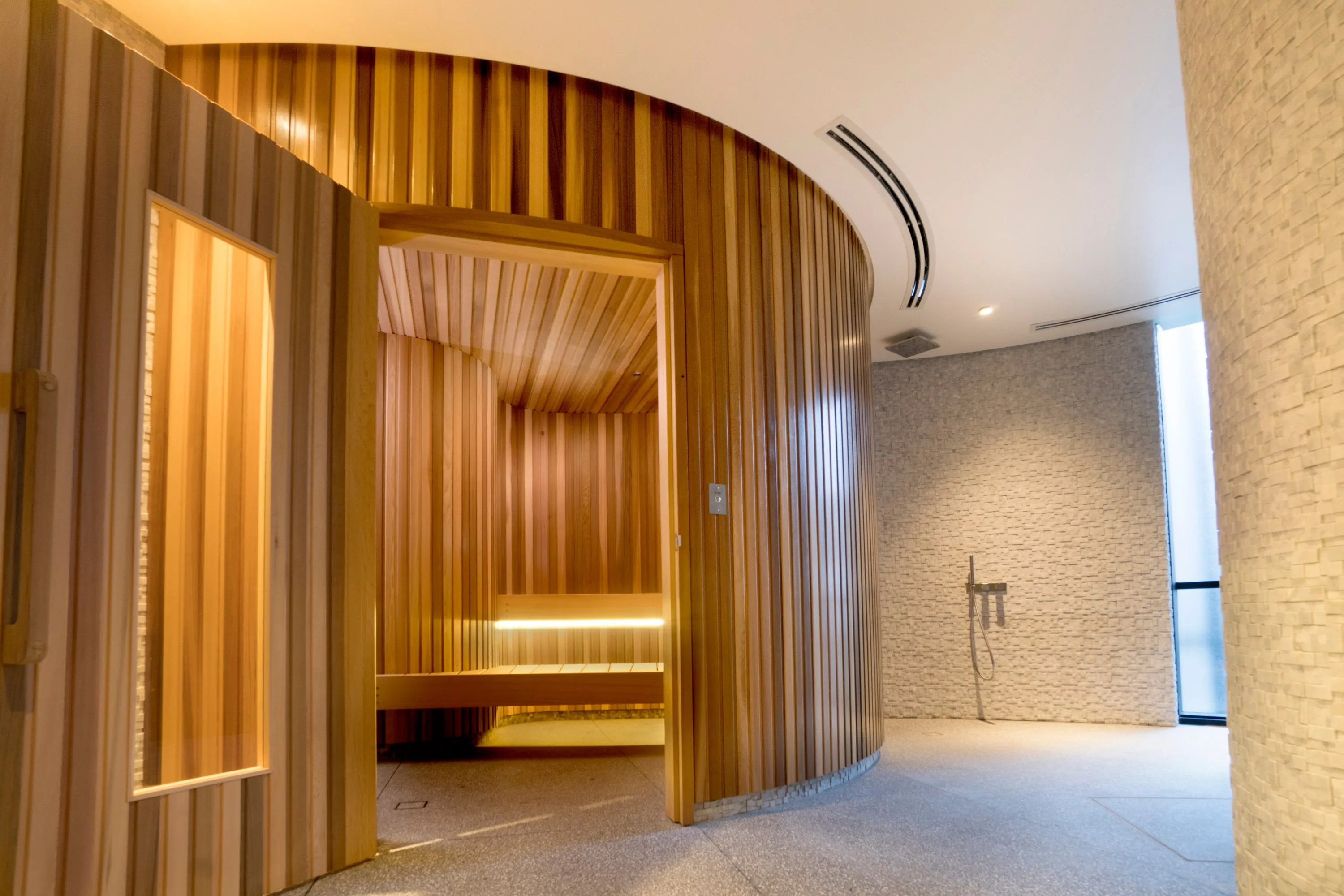
How a sauna heatsYes. We design and build saunas for homes and for commercial facilities such as gyms, hotels, wellness clubs and residential developments, where duty-rated equipment, durable benches and serviceability matter most.
Commercial saunasFurther reading
Tell us about the space and how you would like to use it. We will advise on layout, materials and equipment, and how the project would come together.